Recycling and Sustainability at Gardener Richmond
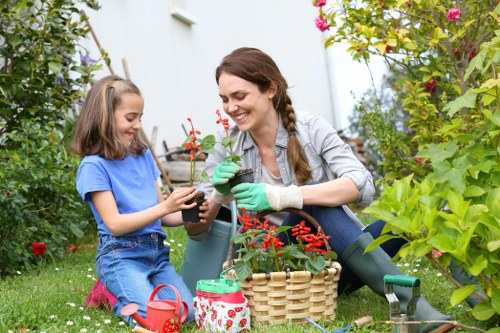 At Gardener Richmond we are committed to practical recycling and sustainability across every service we deliver, with a focus on an eco-friendly waste disposal area and a dedicated, sustainable rubbish gardening area. Our approach blends on-site sustainability practices with borough-wide waste separation policies to ensure that garden waste and mixed recyclables are handled responsibly. We set bold targets and build strong partnerships to move beyond simple waste collection toward genuine resource recovery.
Our sustainability plan is guided by a clear recycling percentage target: we aim for a minimum 65% recycling rate for all garden and site-generated waste within five years, with interim milestones each year to measure progress. This target covers composting of green waste, diverting woody debris for biomass, reusing soil and stone where safe, and maximizing the capture of packaging materials from site operations.
 We align with the boroughs' approach to waste separation, supporting kerbside-style source separation where possible: organics separated for composting, paper and card, glass, metals and plastics kept distinct, and hazardous items segregated for specialist handling. Our teams are trained to follow local separation rules so materials can be sent directly to the right streams, reducing contamination and increasing recovery rates.
Our network of local transfer stations and civic amenity sites plays a key role in this system. We make frequent use of nearby transfer stations that accept green waste, bulky garden waste and mixed recycling, and we coordinate deliveries to minimize trip miles. Where borough transfer stations operate acceptably close, we prioritize those facilities; where not, we use certified regional transfer hubs that meet environmental standards and reporting requirements.
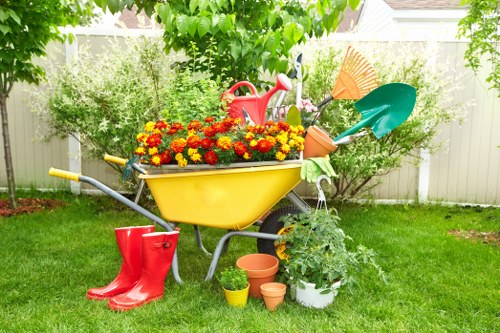 A central element of our green logistics is a fleet of low-carbon vans and low-emission vehicles. We use a mix of electric and hybrid vans for routine runs and route-optimize to reduce fuel use and emissions. For heavier jobs where electric payloads are not yet feasible, we use newer low-emission diesel alternatives and biodiesel blends while maintaining strict idling controls and driver training for eco-driving.
We also run a dedicated sustainable rubbish gardening area on site where mulch, chipped branches, leaves and compost are produced and reused on projects. This on-site resource recovery reduces external processing needs and keeps nutrients local. Where materials cannot be reused, we ensure responsible transfer to processing plants or civic facilities that prioritize composting and material recovery.
Partnerships and Community Reuse
Gardener Richmond partners with local charities and reuse organisations to maximize the life of materials: community reuse centres, furniture and tool reconditioning charities, and food redistribution networks for surplus consumables. These partnerships transform items that would be waste into valuable assets for local people. Our alliances include well-established regional reuse groups and smaller community initiatives focused on circular-economy principles.
 We formally document transfer and donation of materials to charity partners and publish annual metrics showing volumes diverted from landfill, tonnages of wood chipped, compost produced and the percentage of reused items. In practice this means regular collections for charity reuse, scheduled drop-offs at municipal reuse stores, and collaborative events for community exchange.
To support transparency and continuous improvement we track performance metrics such as contamination rates, compost quality, and vehicle emissions. We publish progress toward our recycling target and revise operational practices in response to borough policy changes, new separation schemes or advances in low-carbon transport.
Operational Measures and Responsible Disposal
 Operationally, we use clear signage, bin-labelling and team briefings to ensure compliance with local waste separation rules. Our on-site procedures include:
- Source segregation of organics, recyclables and residual waste.
- Composting and mulching of green waste at our sustainable rubbish gardening area.
- Bulky waste coordination with local transfer stations for oversized materials.
We also maintain a commitment to continuous staff training so that every operative understands how to support the boroughs' recycling schemes and local transfer station requirements. Our procurement policy favors materials and suppliers that support reuse and minimal packaging, and we promote circular gardening practices like mulching, soil reuse and native planting to lower long-term inputs.
In summary, Gardener Richmond integrates an eco-friendly waste disposal area with a sustainable gardening waste strategy: a measurable recycling percentage target, coordinated use of local transfer stations, close partnerships with charities for reuse, and a low-carbon van fleet to reduce transport emissions. These combined measures help us deliver greener gardening services and support the broader transition to a circular, low-carbon local economy.